
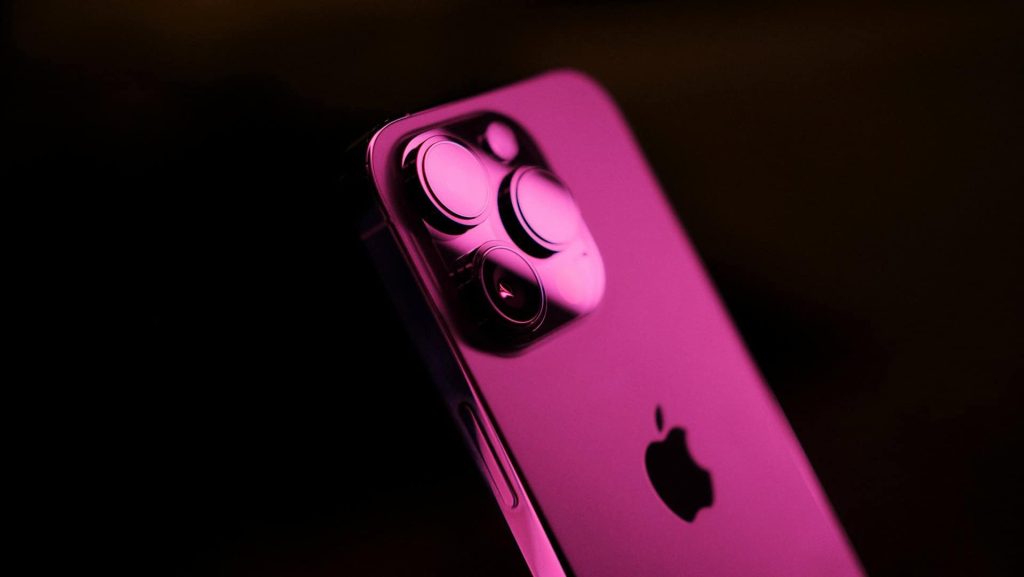

When Apple pushed iOS 26 to my phone, I installed it without thinking twice. New features, new animations, a little battery tweak here and there nothing shocking, just that familiar “polished but rigid” vibe. And at first, I was fine with it. But after a few weeks, the old frustration crept back in. I couldn’t change the default apps the way I wanted. I couldn’t customize the lock screen beyond the handful of options Apple thought were acceptable. Little annoyances piled up: notification behavior I hated, widgets that were almost useful but not quite, system apps I never touched but couldn’t remove. I started catching myself watching those short clips on social media where people showed off wild setups, custom icons, extra toggles, and I kept thinking, “We’re running the same hardware, so why does their phone feel like a toolbox and mine feels like a hotel room?” That’s when the idea went from curiosity to obsession: I wanted control, not just convenience. But I was also terrified of wrecking the only phone I rely on for work, banking, and basically my whole life.
The research phase was messy. Every guide I found seemed to assume I already knew half the vocabulary. Bootloops, rootfs, blobs it sounded more like a sci‑fi script than something I should do to a $1,000 device. One blog said jailbreaking iOS 26 was easy and “totally safe,” another warned I’d open the door to every shady tweak and exploit on earth. I’d psych myself up one evening, download a tool, then bail halfway through the instructions because my gut clenched at the thought of a permanent brick. What finally helped was finding a step‑by‑step breakdown on an ios 26 jailbreak guide that actually matched my exact device and build number, and didn’t talk to me like I was already a developer. It explained what could go wrong, what was reversible, and what absolutely wasn’t. I backed up everything twice, cleared my schedule for an hour, and hit start. Watching my phone cycle through weird boot screens with my heart pounding in my throat was not fun. But when it finally loaded back to the home screen and that new jailbreak app appeared, I felt this strange mix of pride and dread. I’d actually done it. No brick. Not yet, anyway.
Living with the jailbreak was where reality really set in. On the bright side, it was honestly amazing at first. I installed tweaks that fixed long‑standing annoyances in minutes proper call recording, real file access, cleaner status bar, custom gestures that made one‑handed use easier. My phone finally felt like mine instead of a rental. But the cracks showed quickly. My battery life dipped just enough to be annoying. Every so often the phone would respring out of nowhere, usually right when I was trying to reply to something important. A couple of banking apps refused to open unless I used extra tools to hide what I’d done, which made me nervous. And every time Apple pushed a tiny security update, I had to ask myself: do I stay on this version for the jailbreak, or update and lose everything, possibly for months? That mental tax was real. After a while, I reset back to stock just to remember what “boring but stable” felt like. Now I’m in this middle ground. On my main phone, I think really hard before touching anything. On an older backup device, I still experiment and break things on purpose. I’ve learned that the power is addictive, the control is real, but so are the trade‑offs. And you’ve got to be honest about how much chaos you’re actually willing to invite into the device you can’t afford to lose.