
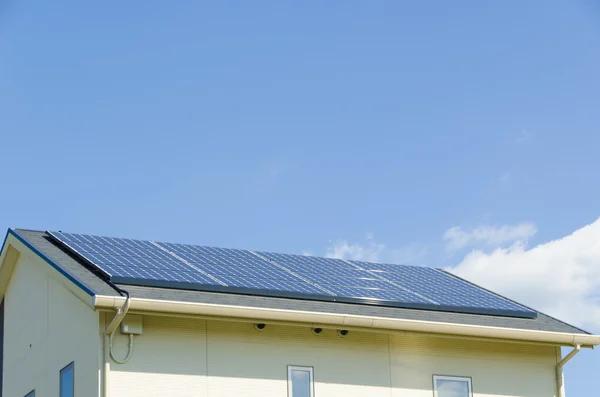

In recent years, the integration of solar energy systems into new construction projects has become increasingly important due to environmental concerns and evolving building regulations. Many jurisdictions now require new buildings to include solar installations or at least be designed with solar readiness in mind. These requirements aim to reduce carbon footprints, promote renewable energy use, and help meet sustainability targets set by governments worldwide. Understanding the specific solar requirements for new construction is essential for architects, builders, developers, and property owners who want to comply with local codes while optimizing energy efficiency.
Solar requirements typically involve a combination of design standards and technical specifications that ensure buildings can support photovoltaic (PV) panels effectively. One common mandate is that roofs must have sufficient space and orientation suitable dive in for more solar panel installation. South-facing rooftops are generally preferred in the northern hemisphere because they maximize sun exposure throughout the day. Roof slope also plays a critical role; angles between 15 to 40 degrees often yield optimal performance depending on geographic location. In addition to roof characteristics, structural integrity must be considered since PV systems add weight and wind loads that could affect overall stability.
Electrical infrastructure within new constructions must accommodate solar power systems as well. This includes installing conduit pathways from rooftop arrays down to electrical panels where inverters convert DC electricity generated by panels into usable AC power for homes or businesses. Modern building codes may require pre-wiring or dedicated circuit breakers specifically designed for future or immediate connection of solar equipment. Energy storage solutions like batteries might also be factored into planning stages if off-grid capabilities or backup power are desired.
Some regions enforce minimum capacity thresholds based on square footage or anticipated energy consumption levels of the building being constructed. For example, regulations might stipulate a certain kilowatt-hour output per square meter of living space annually, ensuring a baseline contribution from renewable sources toward total energy needs. Compliance often involves submitting detailed plans during permit applications demonstrating how these criteria will be met through layout optimization and system sizing.
Beyond regulatory compliance, integrating solar considerations early in construction planning offers financial benefits such as eligibility for tax incentives, rebates, and reduced utility costs over time due to lower reliance on grid electricity. It also enhances property value by providing sustainable features increasingly sought after by buyers concerned about environmental impact.
In summary, meeting solar requirements for new construction projects demands careful attention to site conditions, architectural design elements related to roof orientation and strength, electrical readiness including wiring provisions tailored for PV systems plus adherence to mandated capacity goals where applicable. Early collaboration among stakeholders ensures smooth incorporation without costly retrofits later on while contributing positively toward global efforts combating climate change through cleaner energy generation at the source level within built environments worldwide.