
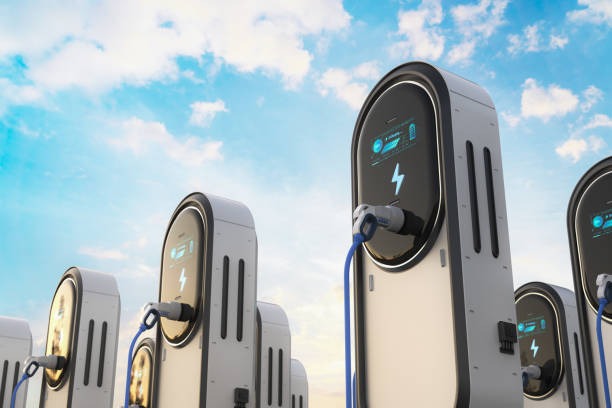

In recent years, the concept of smart homes has evolved from a futuristic vision to an attainable reality. As technology continues to advance, the integration of electric vehicles (EVs) and solar power into smart home systems is becoming increasingly prevalent. This convergence not only enhances convenience and efficiency but also promotes sustainable living, making it a pivotal development in the realm of modern housing.
Smart homes are designed to provide homeowners with unprecedented control over various household functions through interconnected devices. These systems can manage lighting, security, climate control, and entertainment with ease. The integration of EVs into this ecosystem represents a natural progression as discover more consumers adopt electric transportation solutions. By connecting EV charging stations to smart home networks, residents can optimize energy usage by scheduling charging times during off-peak hours or when renewable energy sources are plentiful.
Solar power plays a crucial role in this integrated system by providing clean and renewable energy directly to households. With advancements in photovoltaic technology, solar panels have become more efficient and affordable for homeowners seeking sustainable alternatives. When combined with smart home technology, solar power systems can intelligently distribute electricity throughout the home based on real-time data analysis of consumption patterns. This ensures that appliances operate at optimal times while minimizing reliance on grid-based electricity.
The synergy between EVs and solar power within smart homes is further enhanced by battery storage solutions. Homeowners can store excess solar energy generated during daylight hours in battery systems for later use or even feed it back into the grid if permitted by local regulations. This capability not only reduces electricity bills but also contributes positively towards environmental conservation efforts.