
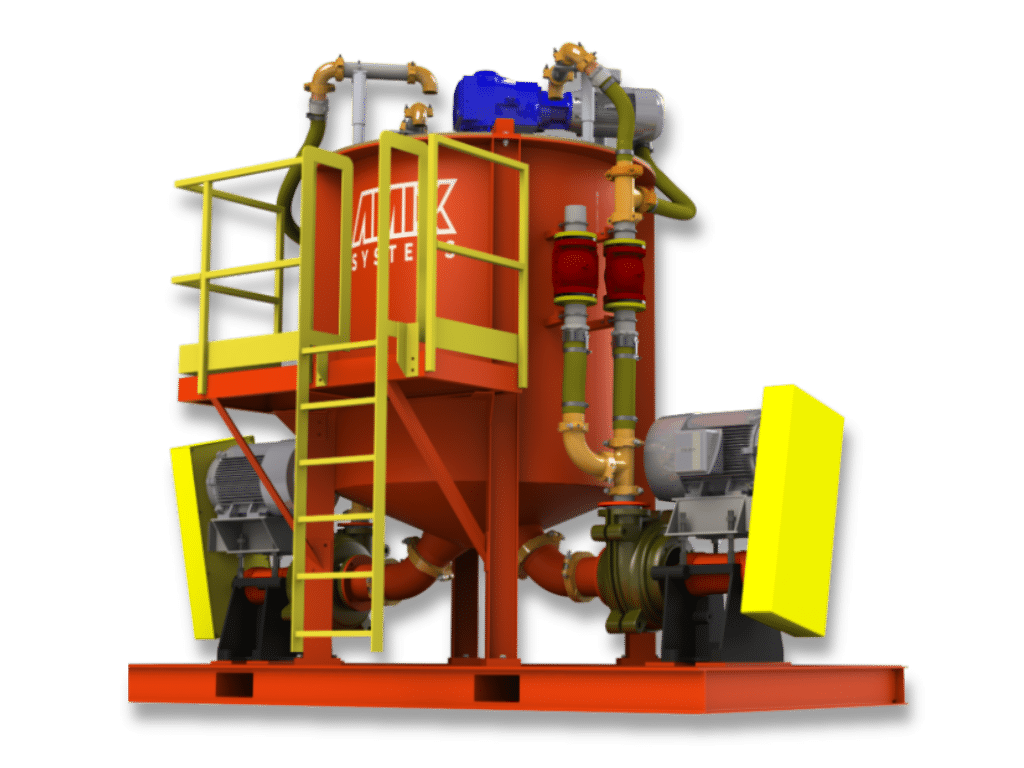

Pumpable grout is a versatile and essential material widely used in various construction projects due to its unique properties and ease of application. It is a fluid mixture, typically composed of cement, water, sand, and sometimes additives or admixtures, designed to be easily pumped into tight spaces or voids. This characteristic makes pumpable grout highly valuable in situations where traditional grouting methods may be impractical or inefficient.
One of the primary uses of pumpable grout in construction is for filling voids and cavities beneath foundations or slabs. When soil settles unevenly or when there are gaps under concrete structures, these voids can lead to instability and structural damage over time. pumpable grout can be injected into these areas with precision, providing solid support by filling the empty spaces completely. This process helps restore structural integrity without the need for extensive excavation or demolition.
Another common application is in underpinning existing foundations. When buildings require additional support due to changes in load conditions or ground movement, pumpable grout serves as an effective solution by reinforcing weak soils and distributing loads more evenly. Its ability to flow readily ensures that it reaches all necessary points beneath the foundation base.
Pumpable grout also plays a crucial role in tunnel construction and repair works. During tunneling operations, it is often necessary to stabilize surrounding soils or fill annular gaps between tunnel linings and excavated ground surfaces. The fluid nature of pumpable grout allows it to penetrate small fissures and irregular spaces that would otherwise remain unfilled using conventional materials.
In addition to structural applications, pumpable grout finds use in anchoring bolts and dowels within rock formations or concrete structures. By injecting this material around anchors, engineers can achieve strong bonding which enhances overall stability.
The benefits of using pumpable grout extend beyond its versatility; it offers significant advantages related to efficiency and cost-effectiveness as well. Because it can be applied through pumping equipment remotely controlled from safe locations outside hazardous zones such as deep trenches or unstable grounds, worker safety improves considerably during grouting operations.
Moreover, its rapid setting times enable quicker progression through project stages compared with traditional cementitious mixtures requiring manual placement followed by extended curing periods.
Environmentally speaking, many modern formulations include additives that reduce water content while maintaining flowability-this conserves resources without compromising performance quality.
Overall, incorporating pumpable grout into construction projects results in enhanced durability of infrastructures while minimizing downtime associated with repairs or reinforcements. Its adaptability across different environments-from urban building sites needing precise injections under slabs up to large-scale civil engineering projects like tunnels-makes it indispensable within modern construction methodologies focused on longevity combined with operational efficiency.