

The ability to eat comfortably and confidently is essential to daily life. When teeth are missing or compromised, even simple meals can become frustrating. With modern advancements in restorative dentistry, dental implants provide a long-term solution that restores both function and aesthetics. Patients who once struggled with chewing can now rediscover the pleasure of enjoying their favorite meals again.
When consulting a dentist in Lake Mary, patients often express concerns about dietary restrictions after tooth loss or traditional dentures. These concerns are valid, as unstable teeth or removable appliances can significantly limit food choices and overall nutrition. Dental implants address these issues by offering a stable, permanent foundation that closely mimics natural teeth.
Similarly, individuals exploring dental implants in Lake Mary often seek reassurance that they will regain the ability to eat a varied and satisfying diet. With proper placement and care, implants restore bite strength and allow patients to return to foods they may have avoided for years.
Understanding How Dental Implants Restore Chewing Function
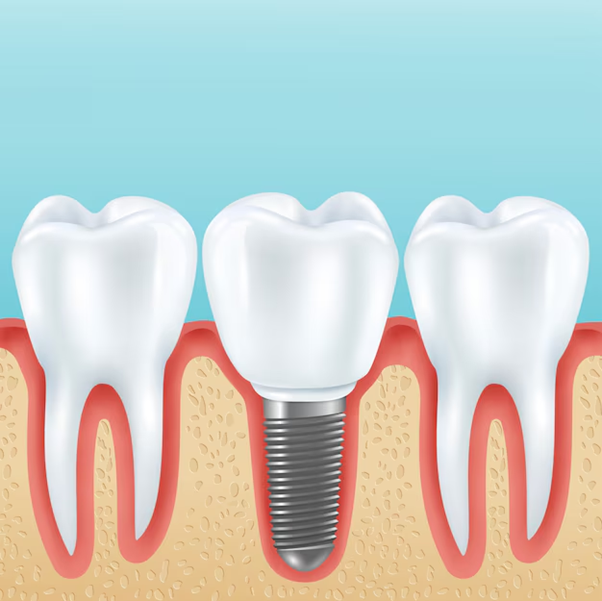
Dental implants are designed to function like natural tooth roots. Once integrated into the jawbone, they provide a secure base for crowns, bridges, or dentures. This stability is what makes them superior to traditional tooth replacement options.
Unlike removable dentures that can slip or cause discomfort, implants allow for:
- Improved bite force, enabling efficient chewing
- Even distribution of pressure, reducing strain on surrounding teeth
- Enhanced stability, preventing movement while eating
This structural advantage means that patients can gradually reintroduce a wide variety of foods into their diet without fear of discomfort or damage.
Soft Foods to Enjoy Immediately After Implant Placement
During the initial healing phase, it is important to follow a soft-food diet to protect the implant site. However, this does not mean sacrificing taste or nutrition. There are many satisfying options that are both gentle and enjoyable.
We recommend incorporating:
- Smooth yogurts and dairy products that provide calcium and protein
- Mashed vegetables like potatoes, carrots, and squash
- Scrambled eggs, which are soft and nutrient-rich
- Blended soups that offer warmth and flavor without requiring chewing
These foods support healing while maintaining a balanced intake of essential nutrients.
Transitioning to a Broader Diet with Confidence
As healing progresses, patients can gradually reintroduce more textured foods. This transition phase is crucial, as it helps rebuild confidence in chewing and biting.
At this stage, patients can begin to enjoy:
- Soft fruits such as bananas, peaches, and melons
- Cooked pasta and rice dishes that are easy to chew
- Tender fish and shredded chicken, which provide lean protein
- Steamed vegetables that retain nutrients while remaining soft
This gradual progression ensures that the implant integrates properly while allowing patients to expand their dietary choices safely.
Foods You Can Fully Enjoy After Recovery
Once the implants have fully healed and integrated, patients can return to a normal diet. This is where the true advantage of dental implants becomes evident. Foods that were once difficult or impossible to eat can now be enjoyed again without hesitation.
Patients often rediscover their love for:
- Crisp fruits and vegetables, including apples and carrots
- Steak and other firm meats, which require strong bite force
- Crunchy snacks, such as nuts and seeds
- Crusty bread and sandwiches, which demand stability while chewing
The ability to eat these foods not only enhances enjoyment but also contributes to improved nutrition and overall health.
Nutritional Benefits of Eating with Dental Implants
Restoring the ability to chew effectively has a direct impact on dietary quality. Many individuals with missing teeth tend to avoid nutrient-dense foods that are harder to chew, leading to imbalanced nutrition.
With dental implants, patients can:
- Increase intake of fresh fruits and vegetables
- Consume protein-rich foods essential for muscle and tissue health
- Maintain a balanced diet, supporting overall wellness
- Improve digestion, as proper chewing aids in breaking down food
This nutritional improvement often leads to increased energy levels, better immune function, and enhanced quality of life.
Tips for Eating Comfortably with Dental Implants
Although dental implants are highly durable, adopting mindful eating habits ensures their longevity and optimal performance.
We advise patients to:
- Chew evenly on both sides to distribute pressure
- Avoid extremely hard items like ice or hard candies
- Cut tougher foods into smaller pieces for easier consumption
- Maintain proper oral hygiene, including brushing and flossing
These practices help protect the implants and surrounding structures, ensuring long-term success.
Psychological and Lifestyle Advantages
Beyond physical benefits, dental implants significantly enhance confidence and social experiences. Eating is often a communal activity, and discomfort or embarrassment can limit participation.
With restored dental function, patients experience:
- Greater confidence in social settings
- Freedom to dine out without restrictions
- Improved speech clarity, enhancing communication
- Renewed enjoyment of cultural and family meals
This transformation goes beyond oral health, positively impacting emotional well-being and daily life.
Long-Term Care for Sustained Enjoyment
To continue enjoying a full range of foods, long-term care is essential. Dental implants require the same level of attention as natural teeth, if not more.
A consistent care routine should include:
- Daily brushing with a soft-bristle toothbrush
- Flossing or using interdental cleaners
- Regular dental check-ups and cleanings
- Monitoring for any signs of discomfort or changes
With proper maintenance, dental implants can last for decades, allowing patients to enjoy their favorite foods without interruption.
A New Chapter in Eating and Living
Dental implants represent more than just a restorative solution; they offer a complete transformation in how individuals experience food and daily life. From soft, nourishing meals during recovery to enjoying crunchy, hearty dishes after healing, the journey is both rewarding and empowering.
By restoring strength, stability, and confidence, dental implants allow patients to reconnect with the simple pleasure of eating. Every bite becomes an opportunity to enjoy flavors, textures, and moments that were once limited or lost.
This is the true value of dental implants: not just replacing teeth, but restoring the freedom to eat, live, and smile without compromise.