
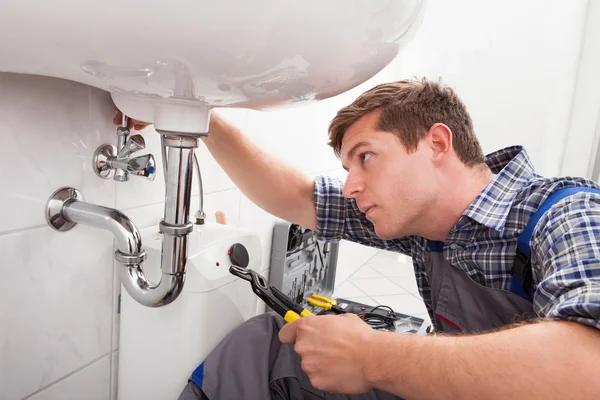

Replacing old plumbing lines is a significant undertaking for any property owner, but with careful planning and execution, the process can be smooth and successful. Whether you’re dealing with outdated materials or frequent leaks, upgrading your plumbing system can enhance the overall functionality of your property and prevent costly repairs in the future. Here are some essential tips to consider when embarking on this important project.
First and foremost, it is crucial to conduct a thorough assessment of your current plumbing system. Identifying the specific areas that require replacement will help you understand the scope of work needed. This step often involves inspecting pipes for signs of corrosion, leaks, or other damages that could compromise their integrity. Consulting a professional plumber for an evaluation can provide valuable insights into which sections need immediate attention.
Once you’ve determined what needs replacing, it’s time to choose suitable materials for your new plumbing lines. Modern options like PEX (cross-linked polyethylene) and copper offer excellent durability and longevity compared to older materials such as galvanized steel or cast iron. Each material has its own set of advantages; for instance, PEX is flexible and resistant to scale buildup while copper is known for its strength and reliability. Consider discover more factors such as local building codes, water quality in your area, budget constraints, and long-term goals when making this decision.
Hiring experienced professionals is another critical aspect of replacing old plumbing lines. A qualified plumber will not only ensure that the installation meets all safety standards but also minimize disruptions during the process. It’s advisable to seek recommendations from friends or neighbors who have undertaken similar projects or check online reviews to find reputable contractors in your area.
Budgeting effectively cannot be overemphasized when planning this upgrade. While it might be tempting to cut costs by opting for cheaper materials or services, doing so could lead to subpar results that may necessitate further repairs down the line. Allocate sufficient funds not just for purchasing high-quality materials but also for labor costs associated with skilled installation.
Finally, take advantage of this opportunity to improve other aspects of your property’s infrastructure if possible. For example, consider installing energy-efficient fixtures like low-flow toilets or faucets alongside new piping systems — these upgrades can lead to substantial savings on utility bills over time while contributing positively towards environmental conservation efforts.
In conclusion, replacing old plumbing lines requires careful consideration across various facets including assessment accuracy; material selection; hiring competent professionals; prudent budgeting; as well as exploring additional improvements where feasible within existing structures’ frameworks—ensuring both enhanced performance now plus sustained value addition moving forward through proactive maintenance strategies implemented post-installation phase completion successfully achieved ultimately benefiting all stakeholders involved therein effectively!