
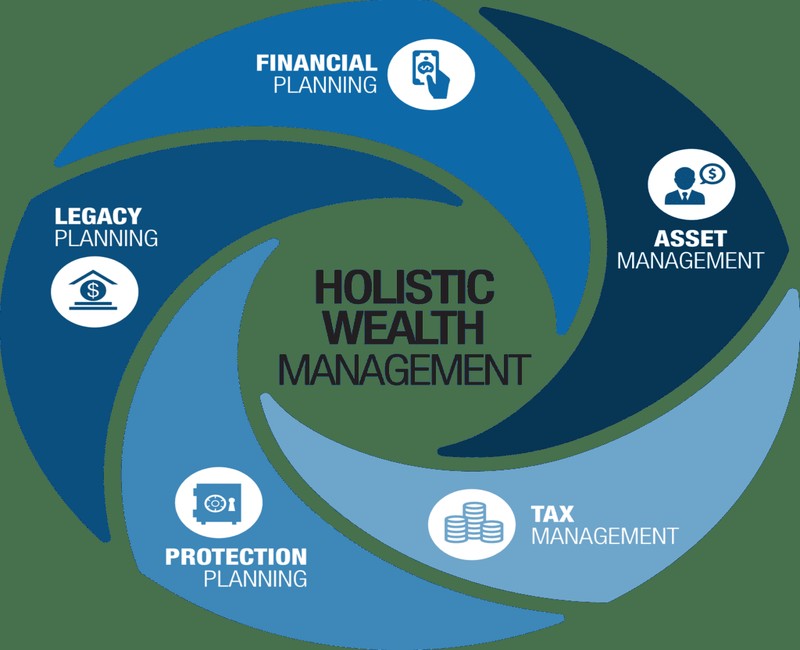

Holistic financial planning is an approach that considers every aspect of an individual’s financial life to create a comprehensive strategy for managing money and building wealth. Unlike traditional methods, which often focus on isolated components such as investments or savings, holistic financial planning integrates all elements of personal finance. This includes income, expenses, debt management, insurance needs, tax strategies, retirement planning, and estate considerations.
The primary goal of holistic financial planning is to align one’s financial practices with their broader life goals and values. By taking a comprehensive view of finances, individuals can ensure that each part of their plan supports the others. For instance, effective budgeting not only helps manage day-to-day expenses but also frees up resources for investment opportunities and long-term savings goals.
A key component of this approach is understanding the interconnectivity between various aspects of personal finance. For example, decisions about investments should consider tax implications; similarly, choices about insurance coverage can impact both current cash flow and future security. By integrating these elements into a cohesive strategy, individuals are better equipped to make informed decisions that support overall well-being.
Another important facet is adaptability. Life circumstances change—whether through career shifts, family changes like marriage or children entering college—or unexpected events such as illness or economic downturns. Holistic plans are designed to be flexible enough to accommodate these changes without derailing long-term objectives.
Moreover, holistic financial planning emphasizes education and empowerment. It encourages individuals to gain a deeper understanding of their own finances so they can take proactive steps towards improvement rather than reacting passively to external forces or market fluctuations. This involves not only acquiring knowledge but also developing skills in areas like negotiation (for salary increases), critical evaluation (of investment opportunities), and strategic thinking (for future growth).
Engaging with professionals who specialize in this type of planning can provide valuable guidance tailored specifically for individual needs and circumstances while offering insights that might not be immediately apparent otherwise.
Finally yet importantly: emotional intelligence plays its role here too! Recognizing how emotions influence spending habits allows people greater control over impulsive buying tendencies thereby ensuring healthier bank balances over time!
In conclusion: embracing holistic approaches equips us better against uncertainties ahead whilst fostering stronger foundations today! As we navigate complex landscapes filled myriad challenges/opportunities alike—we find ourselves poised confidently stride forth knowing our affairs order thanks careful consideration given every detail along journey taken together towards brighter tomorrow built upon sound principles established now through thoughtful preparation dedication commitment achieving dreams envisioned once distant possibilities made reality true testament power foresight wisdom applied wisely indeed!