
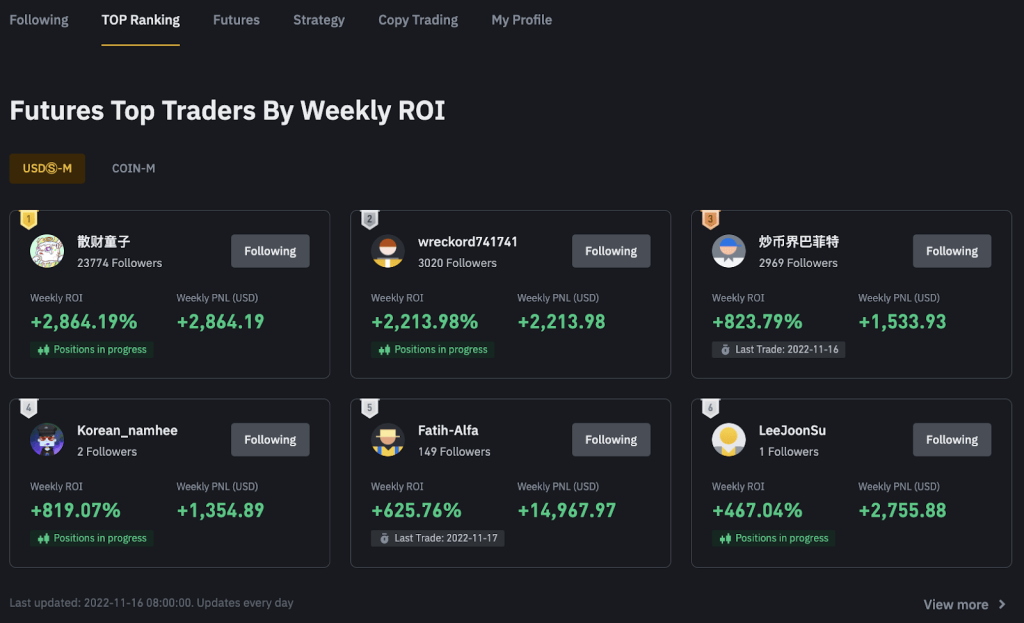

In today’s rapidly evolving financial landscape, Binance has established itself as one of the leading cryptocurrency exchanges globally. Its trading platform offers a comprehensive suite of tools and features designed to cater to both novice and experienced traders. Understanding how Binance trading works in today’s markets requires an exploration of its core functionalities, market mechanisms, and user experience.
Binance operates as a centralized exchange where users can buy, sell, and trade a wide range of cryptocurrencies such as Bitcoin, Ethereum, and numerous altcoins. The platform functions by matching buy and sell orders through an order book system that reflects real-time supply and demand dynamics. Traders place limit or market orders depending on their strategy; limit orders specify the price at which they are willing to buy or sell, while market orders execute immediately at the best available price.
One key aspect of Binance trading is its liquidity. Due to its vast user base and high trading volumes, Binance provides deep liquidity pools that enable swift execution of trades with minimal slippage. This means traders can enter or exit positions without significantly impacting asset prices-a practical explanation critical factor in volatile markets.
Binance also supports various types of trading including spot trading, futures contracts, margin trading, and peer-to-peer (P2P) transactions. Spot trading involves immediate settlement where cryptocurrencies are exchanged instantly between buyers and sellers. Futures contracts allow traders to speculate on the future price movements of digital assets without owning them outright; these instruments often provide leverage options but come with increased risk exposure due to potential liquidation events if the market moves unfavorably.
Margin trading on Binance permits users to borrow funds against their existing holdings for amplified exposure in bullish or bearish trends; however, it requires careful risk management given the possibility of rapid losses exceeding initial investments. The P2P marketplace enables direct transactions between individuals using local currencies under secure escrow arrangements facilitated by Binance’s platform.
Another important feature is Binance’s advanced charting tools powered by TradingView integration which allows users to perform technical analysis using indicators like moving averages, RSI (Relative Strength Index), MACD (Moving Average Convergence Divergence), among others. These analytical capabilities help traders make informed decisions based on historical data patterns combined with current market sentiment.
Security measures employed by Binance include two-factor authentication (2FA), withdrawal whitelist controls, cold storage solutions for assets not actively traded on exchanges’ hot wallets-and continuous monitoring for suspicious activities-ensuring user funds remain protected amid increasing cyber threats targeting cryptocurrency platforms worldwide.
In summary, Binance’s operation in today’s markets hinges upon providing efficient order matching through robust liquidity pools alongside diverse product offerings tailored for different trader profiles-from beginners seeking simple spot trades to professionals engaging in leveraged derivatives strategies-all supported by sophisticated analytical tools and stringent security protocols aimed at fostering trust within this dynamic ecosystem.