
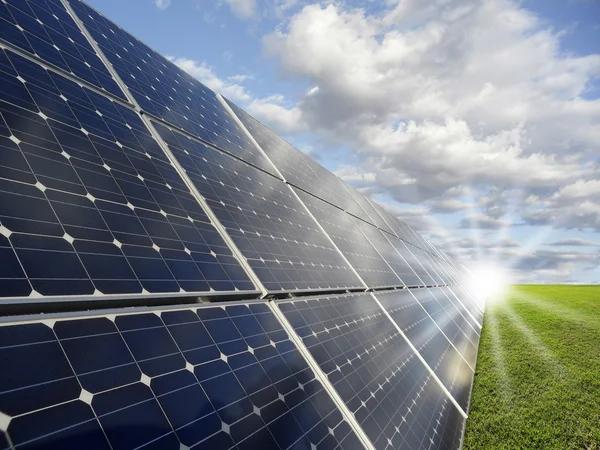

Upgrading solar panels can be a significant investment, but it is essential for maintaining maximum performance and efficiency. The decision to upgrade should be based on several factors that influence the overall effectiveness of your solar energy system.
One key factor to consider is technological advancements. Solar technology has been rapidly evolving, with newer models offering improved efficiency, better materials, and advanced features like enhanced shading tolerance or bifacial designs that capture sunlight from both sides. If your current panels are over a decade old, they might not be as efficient as the latest models available today. Upgrading could mean generating more electricity from open the site same amount of sunlight, thus maximizing your return on investment.
Another consideration is the degradation rate of existing panels. Over time, all solar panels experience a decline in their ability to convert sunlight into electricity effectively. Most manufacturers provide warranties guaranteeing 80-90% output after 25 years; however, if you notice a significant drop in performance earlier than expected, it may indicate that an upgrade is necessary sooner rather than later.
Energy needs also play an integral role in deciding when to upgrade. As households grow or businesses expand, energy consumption typically increases. If you find that your current solar setup no longer meets your power demands—leading to higher utility bills or frequent reliance on grid electricity—it might be time to consider upgrading either by adding more panels or replacing them with higher-efficiency models.
Additionally, changes in environmental conditions can prompt an upgrade. For instance, if tree growth around your property results in increased shading over your solar array compared to when it was first installed—or if local weather patterns have shifted significantly—a new set of high-efficiency panels designed for low-light conditions might perform better under these circumstances.
Financial incentives and rebates are another aspect worth considering when planning an upgrade. Government programs often offer tax credits or subsidies for installing newer systems equipped with cutting-edge technology aimed at reducing carbon footprints and promoting renewable energy adoption. Keeping abreast of such opportunities can make upgrading financially attractive while enhancing system performance.
Finally, maintenance issues could signal it’s time for an update. Older systems may require frequent repairs due to wear-and-tear components like wiring or connectors becoming less reliable over time—issues that modern systems are engineered to mitigate more effectively through robust design improvements.
In conclusion, upgrading solar panels should align with advancements in technology and shifts in personal energy requirements while taking advantage of financial incentives where possible—all contributing towards sustained optimal performance and long-term savings on energy costs.